The Role of Traffic in Domain Parking: Why Some Domains Earn More

Some parked domains quietly pay their renewal fees and then some, while others… don’t. Same owner. Same parking network. Totally different outcomes. Annoying? Yep. The gap almost always comes down to traffic — not just how much, but what kind.
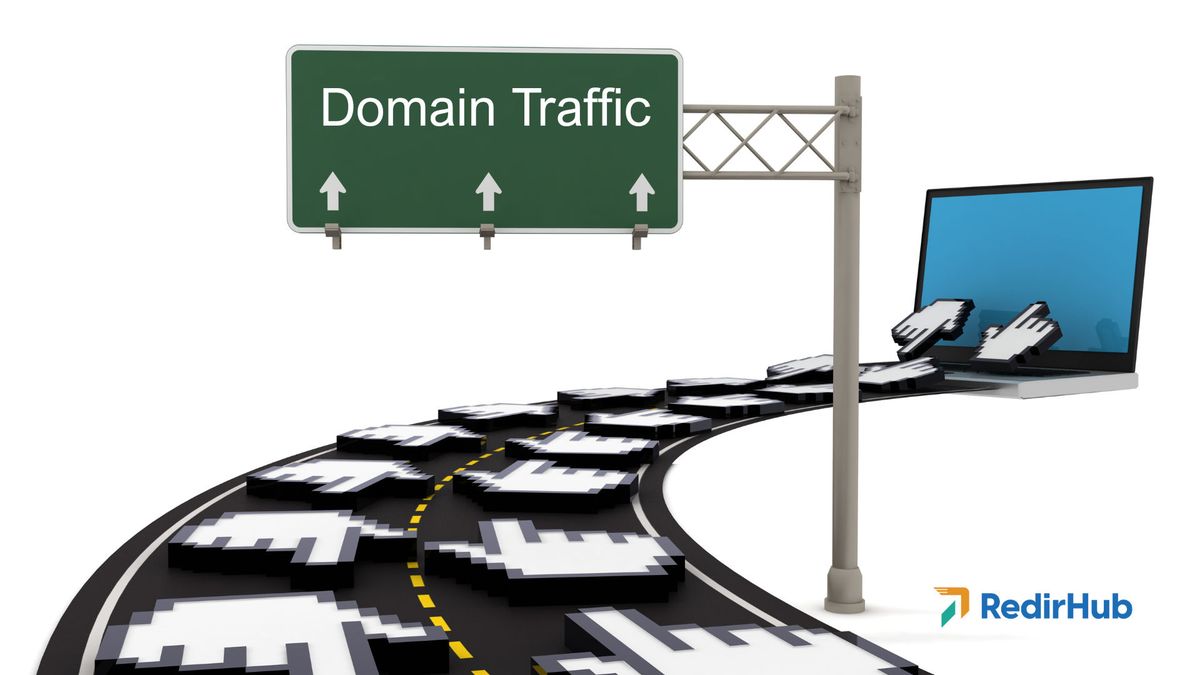
Not all traffic is created equal#
A domain that gets 300 visits from people actively hunting for “cheap renters insurance” can out-earn another with 3,000 visits from folks who just mistyped a long product name. Commercial intent matters. So does how the visitor arrived.
Two quick sketches:
- Type-in special: BestCreditCardsExample.com gets 120 direct visits in a week, mostly U.S., desktop, daytime. CTR: ~3.4%. Not huge traffic, but solid value per click.
- Noisy drifter: FunkyPurpleBalloonz.net gets 1,900 visits, but a lot arrive in weird bursts at 3 a.m. from data-center IP ranges. CTR: 0.09%. Looks busy in the dashboard, earns almost nothing.
On a spreadsheet, those two can look similar at first glance (traffic up and to the right). In reality, only one is actually working.
The quiet problem: bots#
Every parking portfolio gets bot traffic. Crawlers, scrapers, uptime pingers, “SEO tools” that aren’t really tools. They inflate totals, trigger ugly little spikes, and make it harder to see which names deserve to be kept.
Bots don’t click ads like humans. Advertisers filter them anyway. So inflated sessions ≠ revenue. Worse, if you eyeball performance weekly, a single bot rush can fool you into thinking a domain is “warming up” when it’s just noise.
You’ll notice patterns if you watch closely: sharp minute-level ramps, odd referrers, unusual user agents, bursts from one ASN, etc. Some days it’s subtle; other days it’s “why did this domain suddenly jump 8x at 02:17?” Happens more than folks admit.
Signals of “good” traffic (and what to prune)#
Healthy parked-domain traffic usually shares a few traits:
- Stable cadence: no sawtooth spikes every hour.
- Human mix: mobile + desktop, normal browsers, normal time-of-day.
- Geo fit: visitors from places that match the name/intent.
- Reasonable CTR: it bounces a bit, but doesn’t flatline at 0.00%.
If a name shows the opposite — spiky charts, data-center sources, 0 clicks forever — be ruthless. Either fix where it points or drop it at renewal. Keeping noisy names skews the whole portfolio’s decisions.
Filtering helps you make better calls#
This is where a redirect layer earns its keep. By screening obvious bot patterns before they hit your parking or landing pages, you get cleaner analytics: fewer fake “visits,” a tighter read on CTR, and faster feedback on which domains actually deserve love.
RedirHub’s approach is pretty simple: identify and filter junky requests at the edge, then pass through the real visitors fast. When a domain suddenly “spikes,” you can check whether it’s humans or just another crawl wave — and you’re not paying with skewed stats. Small note, but important.
Two portfolios, two outcomes#
Consider this small, realistic example from a 500-domain batch:
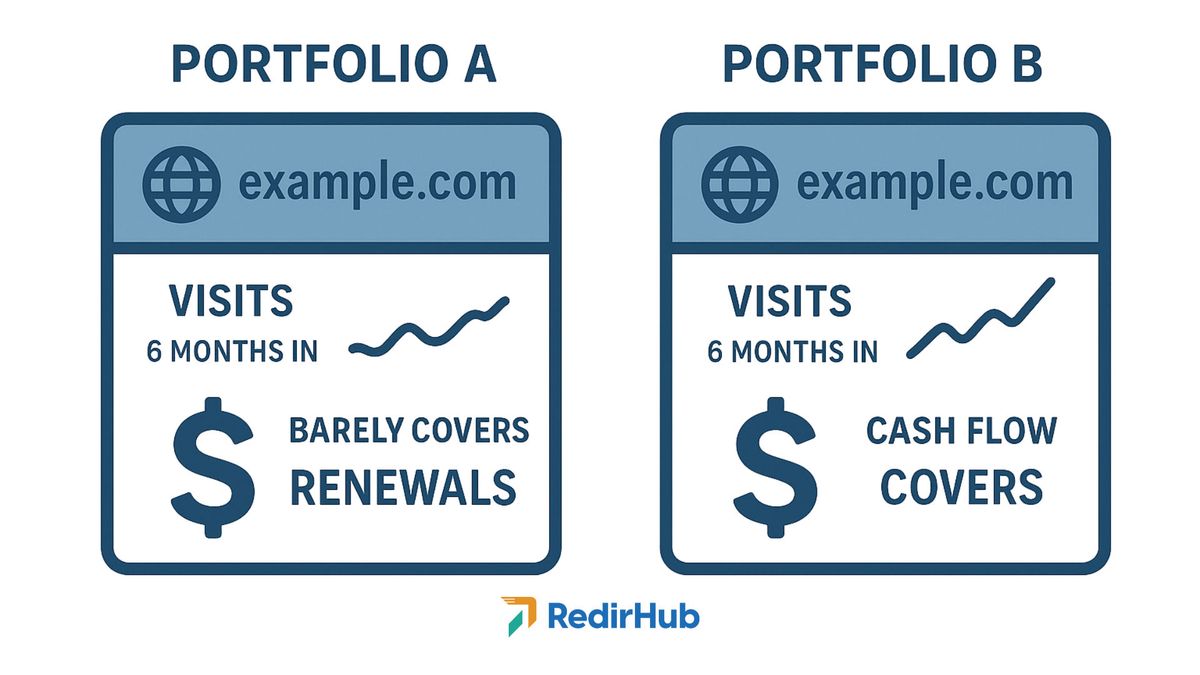
- Portfolio A keeps everything. Average “visits” look great, decisions feel optimistic. Six months in, net revenue barely covers renewals because 20–30% of traffic was non-human.
- Portfolio B filters bots and trims 80 deadweight names. Reported traffic drops (gulp), but EPC and CTR improve. Cash flow covers renewals earlier, and capital gets recycled into better names.
Same spend. Different discipline. The second one usually wins.
Practical ways to improve earnings (without magic)#
- Group by intent. Finance, travel, coupons, jobs. Compare like with like.
- Watch the timing. Human traffic tends to stack around local waking hours.
- Test destinations. Parking page vs. relevant affiliate route. Sometimes a simple redirect outperforms a generic lander.
- Use rules. Geo/device routing can lift CTR a bit. Don’t overdo it though.
- Automate HTTPS. Free SSL on everything avoids scary browser warnings and preserves what little trust you get on a parked lander. RedirHub does this out of the box so you don’t chase certs, which is nice.
- Cull aggressively. If a domain shows zero signal after a fair run, stop carrying it. It’s okay to let go.
One last thing about “spikes”#
Spikes aren’t always bad. A mention on a forum, a seasonal keyword, an influencer sneeze… real bursts do happen. The trick is telling real from fake quickly. Clean logs, bot filters, and simple analytics make that call easier. RedirHub won’t make a weak domain strong, but it will keep the noise from lying to you, which is half the battle.
Bottom line: parked domains earn more when their traffic is both relevant and real. If you can filter the junk, route the humans well, and keep your portfolio honest, the numbers usually follow. It’s not glamorous work, but it is the work.
Frequently asked questions
Parked domains earn more when their traffic has commercial intent and comes from real human visitors. A domain with fewer but highly relevant visitors often outperforms one with high volumes of low-quality or automated traffic.
Good domain parking traffic usually arrives steadily, comes from relevant geographic regions, matches the domain’s intent, and produces consistent click-through rates. Traffic that spikes suddenly from unusual locations or times is often low quality.
Bot traffic inflates visit counts without generating ad clicks or conversions. This can mislead domain owners into thinking a domain is performing well when, in reality, advertisers filter those visits and no revenue is generated.
Bot filtering helps clean up analytics by removing non-human visits before they distort performance data. Cleaner traffic data makes it easier to identify which domains are truly earning and which should be redirected, optimized, or dropped.
Redirects allow domain owners to route traffic intelligently, test different landing pages, and filter traffic before it reaches monetization endpoints. A proper redirect layer helps preserve SSL, improve reliability, and provide clearer insight into real traffic behavior.

TC is the Operations Manager at RedirHub, leading the company’s operational strategy and execution to ensure reliable, scalable redirect infrastructure. He oversees internal processes, cross-team coordination, and platform readiness while supporting customers through complex redirect implementations. With a strong understanding of large-scale domain operations and real-world edge cases, TC plays a key role in aligning product and customer success to deliver stable, high-performance redirection solutions.
Related Articles
View All Articles